
Celebrating the benefits of tourism in High Peak
High Peak has always been a magnet for visitors, who contribute over £500 million to the local economy, so it's the ideal location to celebrate English Tourism Week.
The latest data released by STEAM, the tourist industry's economic impact modelling tool, shows that in 2024 6.5 million people visited the High Peak and more than 4,300 people worked in the industry locally.
The number of visitors who stayed over was up by almost 15% at 2.4 million with a significant number of them enjoying a taste of the borough at local food and drink businesses.
Councillor Damien Greenhalgh, Deputy Leader and Executive Councillor for Regeneration, Leisure and Tourism, said: "It comes as no surprise to me that more people are choosing to visit the High Peak. Our borough offers an exceptional mix of world-famous landscapes, vibrant market towns, and unique cultural attractions - all within easy reach of the city regions that surround our beautiful part of Derbyshire.
"From the stunning scenery of the Peak District to iconic venues such as Buxton's Georgian Crescent, the thermal spa, and the Frank Matcham-designed Opera House, the High Peak has so much to offer visitors. Add to that the charm of the Hope Valley honeypot villages, and thriving market towns like Whaley Bridge and New Mills, with its spectacular Millenium Walkway above the River Goyt, and it's easy to see why tourism continues to grow here.
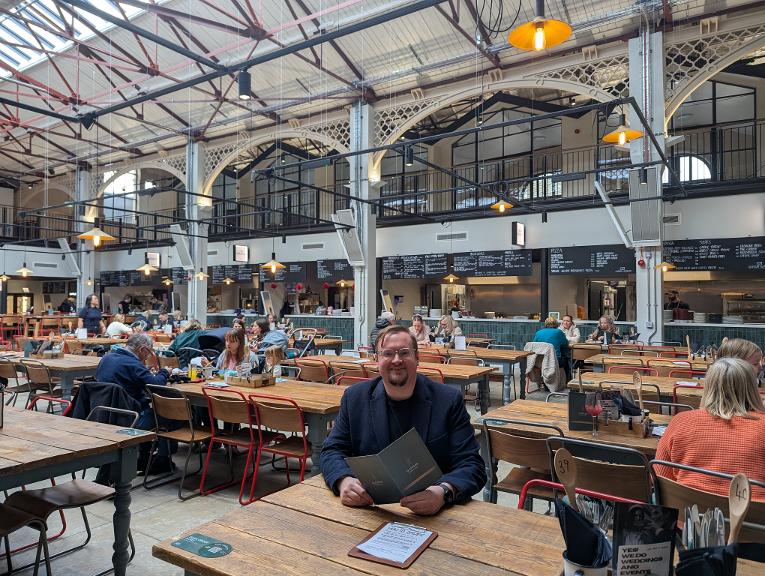
"We're also seeing exciting new additions to our tourism offer. The transformation of Glossop Halls is already drawing people in to enjoy great food and explore the independent businesses in the beautifully restored Glossop Market Hall. This Council-led regeneration project is a fantastic example of how investing in our heritage can help bring new life, visitors, and opportunities to the High Peak for years to come."
The national English Tourism Week campaign champions the diverse, exciting and valuable tourism industry showcasing the exceptional quality of visitor experiences, the benefits they bring to local communities, and the vital contribution the sector makes to the economy.
Published on 20 March 2026


